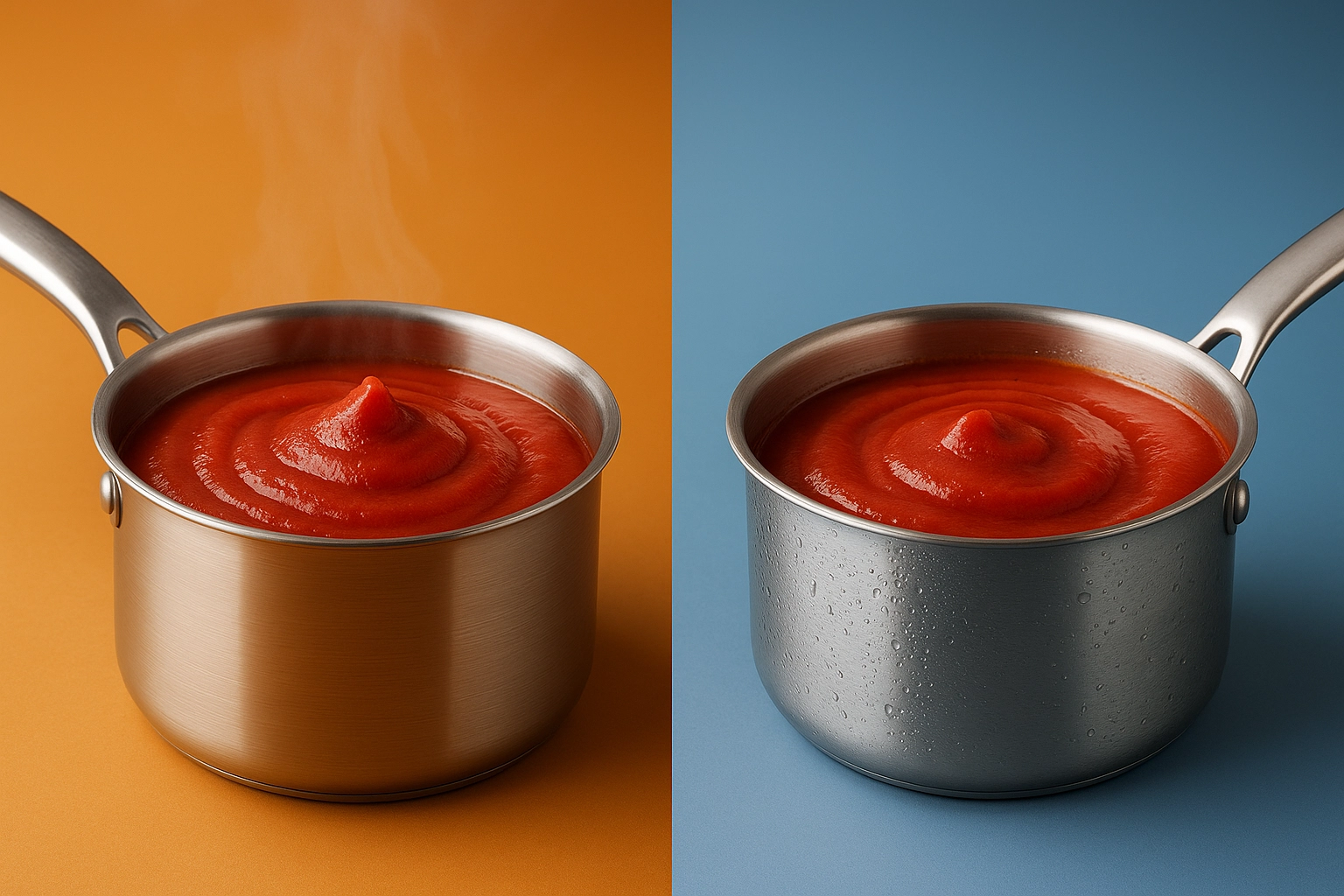
Aseptic tomato paste QC checklist
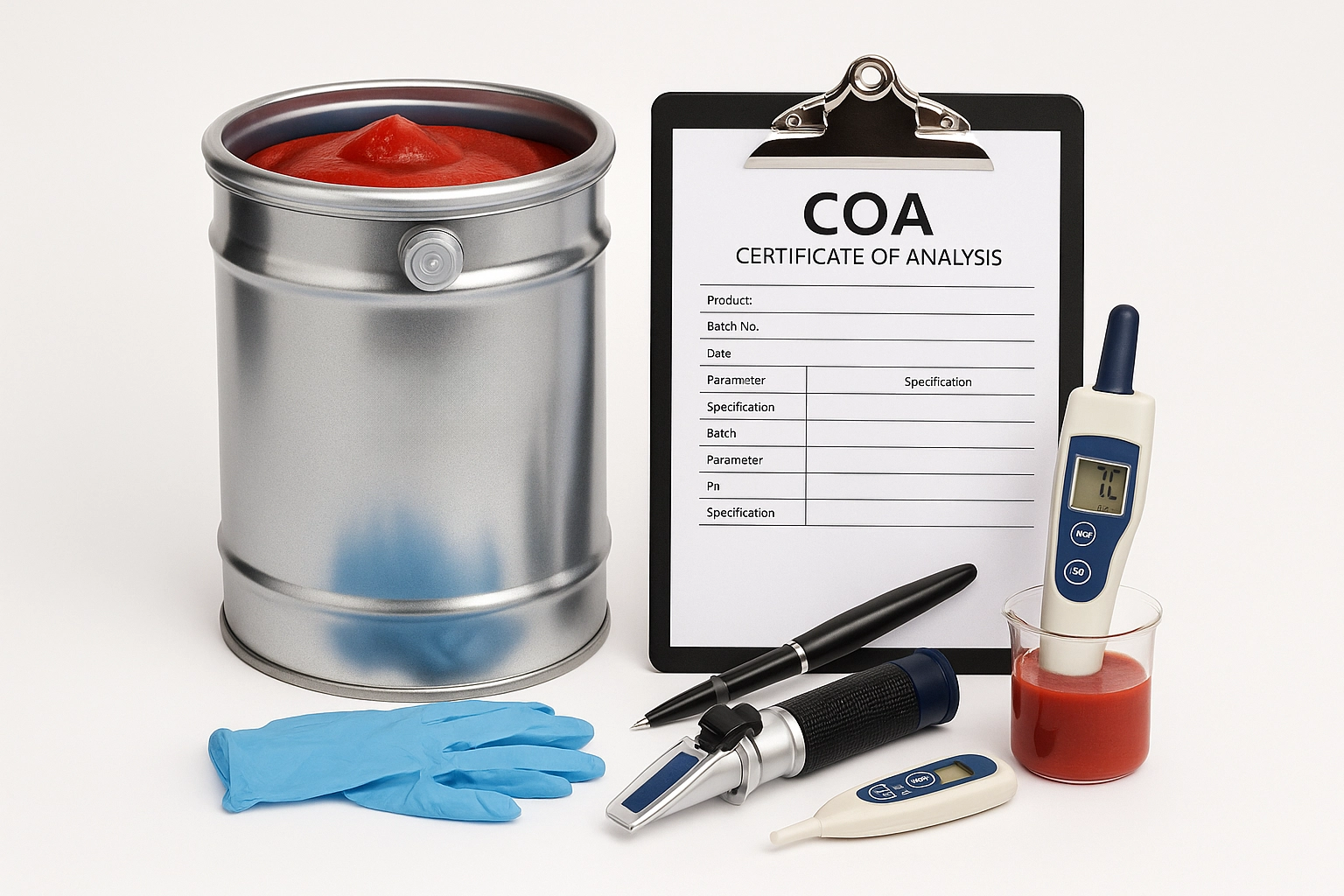
A tight aseptic tomato paste QC checklist prevents downtime and safeguards brand trust. Begin with paperwork: batch numbers on labels must match the COA and delivery notes.
Confirm documentation quality and cross-check production dates and pallet maps. Validate the aseptic tomato paste COA parameters you rely on—Brix, pH, color, viscosity methods, and temperature references.
Inspect packaging integrity. For drums, check liner seals, bungs, dents, and pallet wrap; for IBCs, confirm valve condition and frame stability. Log any issues during aseptic drum inspection and quarantine if needed.
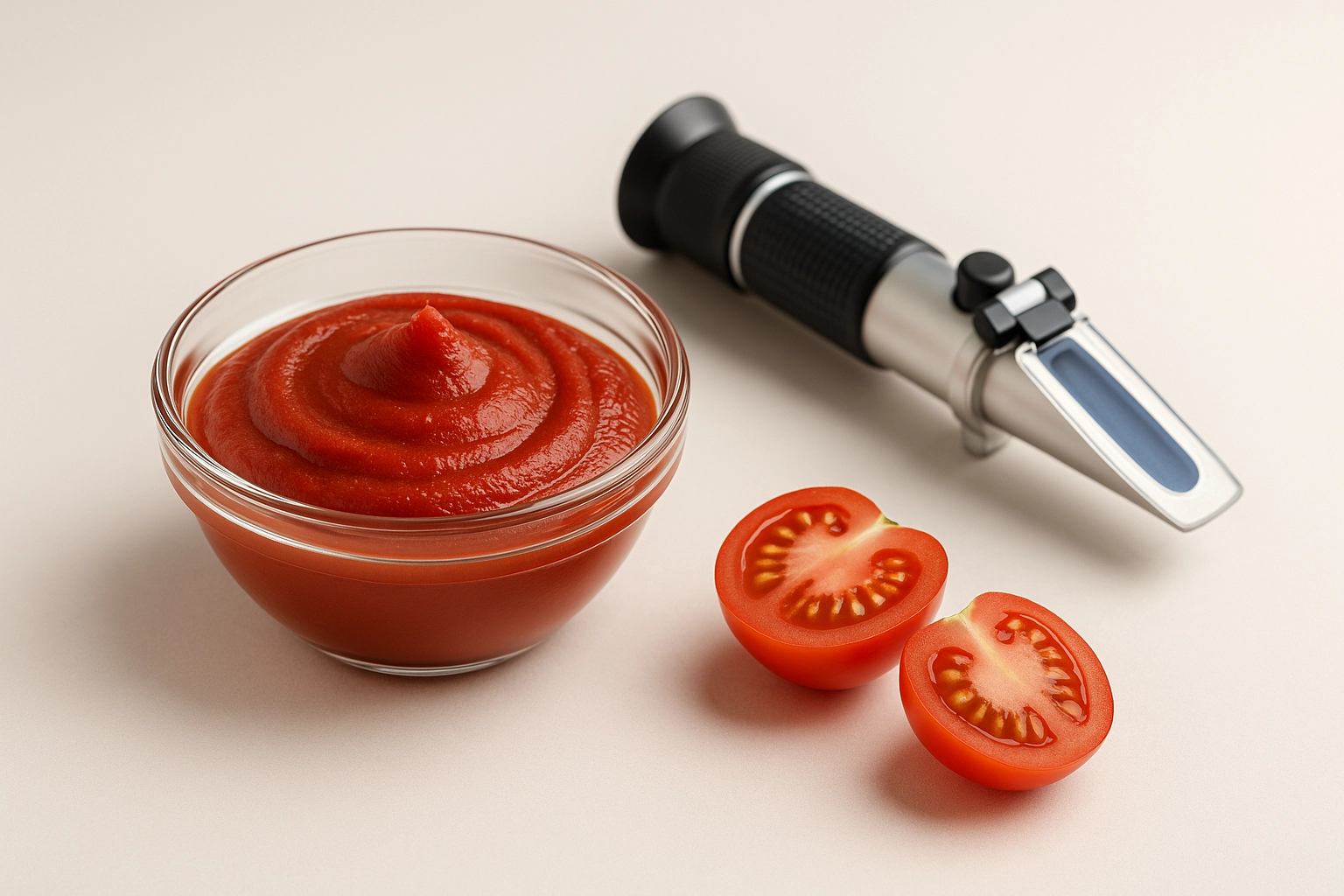
Verify Brix and pH against spec using calibrated instruments. These drive solids loading, thermal schedules, and flavor balance. Record results and compare with supplier ranges.
Measure viscosity at controlled temperature (e.g., Bostwick/RVA) and review a/b color alongside a quick sensory check for clean tomato aroma with no burnt/fermented notes. Retain samples for traceability.
Store in cool, dry areas away from sun; apply FIFO and batch segregation. Close the loop by updating your aseptic tomato paste QC checklist SOPs with any corrective actions. Saryza provides handling guides and batch COAs to keep lines running smoothly.